Play Together, Everywhere
Join us as we explore inclusive adaptations of playground and street games for mixed ages and abilities, turning familiar favorites into welcoming experiences for every body, mind, and energy level. Expect practical adjustments, joyful stories, and co-creation prompts that help families, educators, and neighborhood leaders design play where everyone participates with dignity, choice, and safety. Share your variations, add local flavor, and rediscover how simple tweaks to space, rules, and roles transform everyday corners into shared stages for laughter, movement, and connection.
Design Principles That Invite Everyone
Before changing rules, start with foundations that open doors. Think clear lines and contrasts for visibility, layered cues for different senses, and multiple paths to success. Offer choices about pace, distance, and roles to respect energy, comfort, and attention. Replace binary win or lose outcomes with meaningful contributions measured in many ways. Encourage co-design with children and caregivers so adaptations reflect lived realities. Build in rest moments and quiet corners. With these principles, even small alleyways, schoolyards, and pocket parks become reliable places to belong.
Universal Design in Motion
Bring movement principles to life with wide turning arcs, textured boundaries, and mixed-height stations that welcome wheelchairs, strollers, and different stride lengths. Layer visual markers with sound beacons and touchable textures so orientation remains clear during fast play. Use bright, matte contrasts that reduce glare, and provide simple maps at kid height. Invite players to walk the space together before starting, naming landmarks and options. When the environment explains itself, confidence rises, and playful risk-taking becomes both safe and exciting.
Choice and Agency for Every Player
Let participants choose roles that match comfort and curiosity: caller, navigator, runner, spotter, storyteller, or scorekeeper. Build variable challenges like optional distances, alternative routes, and assistive tools such as grabbers, larger balls, or tactile markers. Allow swaps mid-game without penalty so bodies can rest while minds engage. Honor personal signals for pause or help. Offer micro-goals that stack into shared victories. Agency makes participation feel genuine, decreasing anxiety and boosting motivation, especially for children still discovering how they like to move, socialize, and shine.
Shared Safety Without Dimming the Fun
Safety grows from predictable rhythms and respectful signals. Use color-coded cones for pace zones, slow-first starts, and rehearsed stopping cues that work across the senses. Normalize helmets, gloves, and mobility aids as cool gear, not exceptions. Replace elimination with role-switching, so nobody waits alone at the edge. Teach spotting techniques and buddy checks that feel like helpful superpowers. Keep hydration, shade, and quiet resets within reach. When caution is embedded in the rules themselves, excitement stays high and injuries drop without dampening joy.
Reimagining Tag for Every Body
Tag’s charm is its simplicity, making it perfect for inclusive tweaks. Think zones with different paces, multiple ways to be caught or safe, and sensory-friendly cues that reduce startle. Add roles beyond chasing so strategy and communication matter as much as speed. Rotate responsibilities often, turning former runners into callers or map keepers. Encourage collective goals like group streaks rather than solo victories. These changes transform quick sprints into layered collaboration where younger children, older participants, and varied abilities move, guide, and celebrate together.
Ball Games Without Barriers
Ball play invites coordination, rhythm, and laughter, yet size, texture, and speed can exclude. Start by diversifying equipment: larger, softer, and textured balls; bells inside for audible tracking; and contrasting colors for visibility. Adjust distance, height, and target width, offering seated, standing, and rolling positions. Replace outs with role switches or earned assists. Encourage communication-driven phases where passing patterns, call-and-response cues, and cooperative scoring anchor the action. These shifts protect dignity while keeping challenge alive, letting power throwers, careful catchers, and precise strategists contribute meaningfully.
Cooperative Challenges That Scale
Use a parachute or large sheet as a communal canvas. Players move waves to match a narrated tale, choosing speeds and motions that fit their bodies. Add tactile objects and bells for sensory variety. Assign roles like narrator, tempo keeper, prop master, and breeze maker. Build chapters with achievable goals, then invite audience members to join during calmer segments. Because the narrative unfolds collaboratively, participants feel safe experimenting with pace and position, discovering that storytelling and movement can mingle gently while welcoming friends who prefer quieter participation.
Lay ropes or chalk lines as a winding river with islands. Players transport beanbags or messages without stepping into the river, using bridges, ramps, or buddy assists. Provide seating islands for rests and planning. Allow tool cards granting extra moves, like extended reach sticks or gentle pulls. Success comes from clever sequencing and communication, not speed. Each attempt teaches spatial problem-solving and trust. By emphasizing planning over leaping, the activity turns balance challenges into shared engineering, where wheel users and careful walkers meaningfully direct the team’s pathway.
Form triads mixing strengths: a reader or listener, a navigator, and a collector. Clues appear in multiple modes, including pictures, textures, and simple audio. Routes include choice points with both short and scenic options. Allow optional detours that earn kindness badges for helping other teams. Build pauses where triads share finds and swap roles. With layered clues and flexible pacing, participants experience victory as cumulative discovery. The hunt becomes a celebration of curiosity and collaboration, proving that exploration remains thrilling when guidance, accessibility, and autonomy travel together.
Sensory-Friendly Streets and Playgrounds
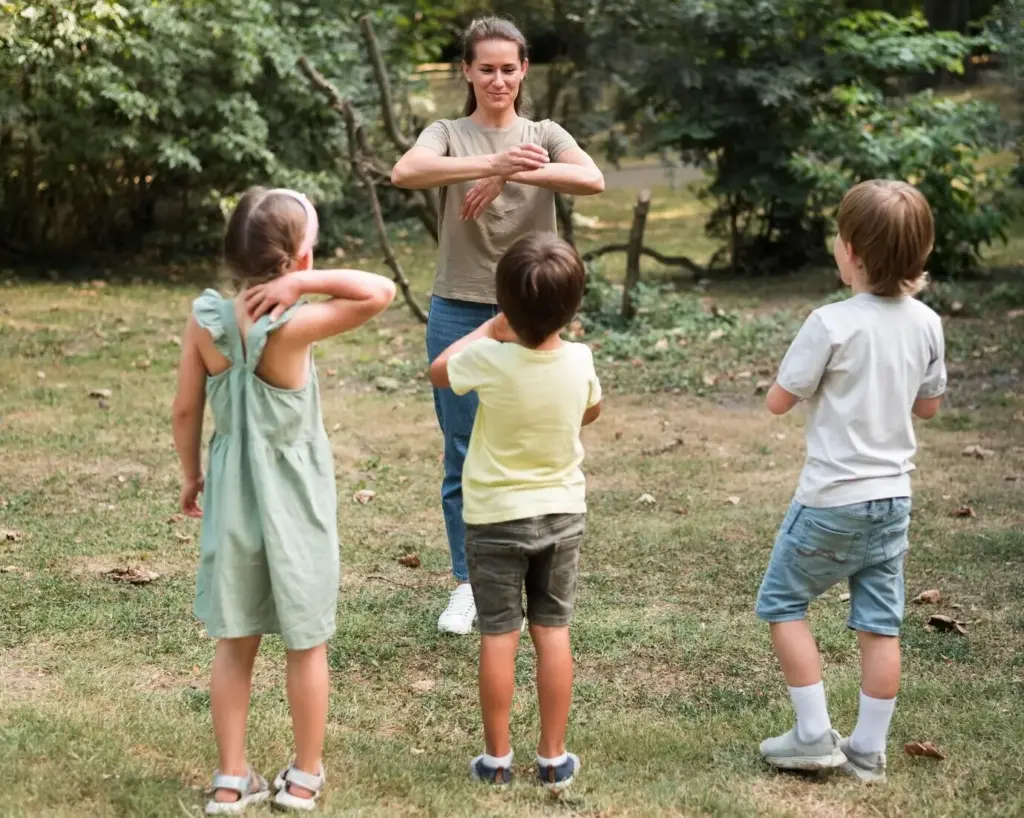
Great games rely on thoughtful environments. Reduce overwhelm with quieter nooks, shade structures, and predictable rhythms. Offer visual schedules and gentle auditory cues rather than sudden whistles. Use surfaces that roll smoothly and markings that remain visible from seated height. Provide water, ear defenders, and sun hats alongside balls and cones. Establish a simple signal language for pause, help, and switch. Post inclusive etiquette so peers model patience and consent. When the space feels kind to senses, bodies relax, attention deepens, and play unspools naturally.