From Sidewalk Chalk to Sandlot Legends

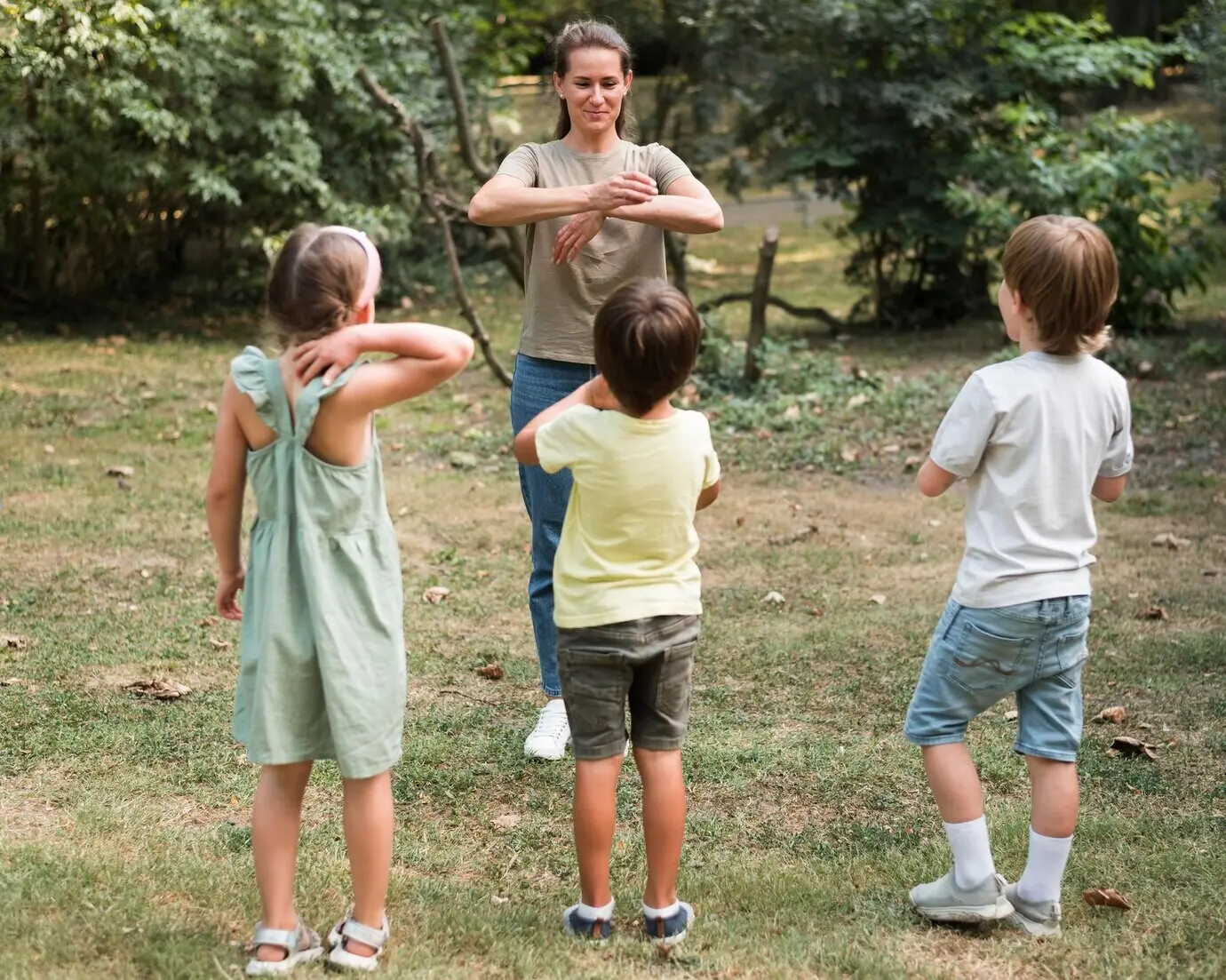
Today we dive into Global Street and Playground Games, celebrating the spontaneous energy of curbside creativity, shared rules whispered across generations, and everyday spaces transformed into arenas of imagination. Expect practical tips, lively stories, and invitations to contribute your memories so our growing community can learn, play, and pass it on together.

Chalk Lines and Pebbles

Hopscotch squares scratched into stone, chalk spirals on asphalt, and pebbles flicked with practiced precision tell stories older than most schoolyards. Many historians suggest Roman soldiers used hopping drills for balance, while children reimagined those patterns as playful challenges, improvising rules that made agility, rhythm, and balance joyful daily achievements.

Streets as Stadiums

A broomstick becomes a bat, a rubber ball becomes destiny, and a manhole cover becomes home plate. From stickball in dense city blocks to pickup football on empty lots, resourcefulness turns obstacles into strategy. Every fence, car bumper, and lamppost influences tactics, demanding quick thinking, clever angles, and cooperative decision-making.

Rules, Variations, and House Traditions

Street play thrives on agreements made in moments: quick negotiations, shouted clarifications, and handshakes after close calls. Each block adapts beloved classics to fit space, safety, and players’ ages. House rules foster ownership, creativity, and fairness, proving that participatory rule-making can be both practical and surprisingly empowering for everyone involved.

Count-offs and Captains

Choosing teams feels like a ritual: number off, rock–paper–scissors, or sing-song rhymes like eeny, meeny, miny, moe. These methods balance luck and leadership, setting a respectful tone before the first serve or kickoff. When selection feels fair, confidence rises, and playful rivalry stays spirited without tipping into uncomfortable competition.

Boundaries and Safe Zones

Sidewalk seams, garden walls, and chalked arcs become clear borders, while trees or stoops act as safe zones in tag. Negotiating lines reduces confusion later, protecting both play and friendships. Thoughtful boundaries encourage bold risk-taking inside a known frame, keeping sprints exhilarating and slides joyful rather than hazardous or chaotic.

Settling Disputes

No referees? No problem. Street wisdom favors quick resets: do-overs, re-serves, jump balls, or replaying the final point. Hearing each voice, repeating the call, and accepting a fair compromise protects momentum and trust. Disagreements become teachable moments where honesty, empathy, and patience are practiced as deliberately as any skill drill.

Skills, Strategy, and Fair Play

Games build more than strong legs and quick hands. They nurture anticipation, collaborative problem-solving, and respectful communication. Players learn to read opponents’ habits, adjust positioning, and protect friends who are smaller or newer. Over time, physical courage blends with emotional intelligence, creating neighborhoods where everyone’s talents can shine with genuine pride.

Favorites from Five Continents

Kho Kho and Kabaddi

Across South Asia, Kho Kho trains rapid acceleration and evasive turns while teammates coordinate benches and tags. Kabaddi spotlights controlled breath and tactical raids, with players chanting as they cross the line. Both reward teamwork, agility, and psychological nerve, transforming open spaces into thrilling theaters of chase, capture, and clever escape.

Luta de Galo and Peteca

In Brazil, Luta de Galo challenges balance as opponents hop on one foot, protecting a cloth tail. Peteca, a hand-struck shuttlecock, blends volleyball angles with badminton finesse. These games celebrate joy, rhythm, and playful rivalry, requiring minimal gear while offering surprisingly deep layers of timing, dexterity, and positioning strategy.

Elastics and Jump Bands

Known as elastics, Chinese jump rope, or gomu-tobi, this footwork game threads choreography through stretchy bands held at ankles or knees. Patterns escalate in height and complexity, rewarding memory, rhythm, and bounce. It’s portable, inexpensive, and endlessly remixable, turning sidewalks into stages where coordination and creativity shine with contagious enthusiasm.

Play Spaces, Simple Gear, and Safety

Great games need surprisingly little: chalk, a ball, some rope, and clear expectations. With small adjustments, every block can host energetic play that respects neighbors and protects bodies. Visibility, soft edges, agreed signals, and hydration breaks support confidence, allowing daring moves without unnecessary risks or uncomfortable pressure on hesitant participants.

Community, Memory, and Your Turn to Play

Games endure because they belong to people, not products. Stories, nicknames, and inside jokes wrap around every rule like ribbons. Share your variations, post your favorite chants, and invite a neighbor to join. With every comment and message, our collective playbook grows wiser, warmer, and wonderfully more surprising for newcomers.

Stories That Travel Across Generations
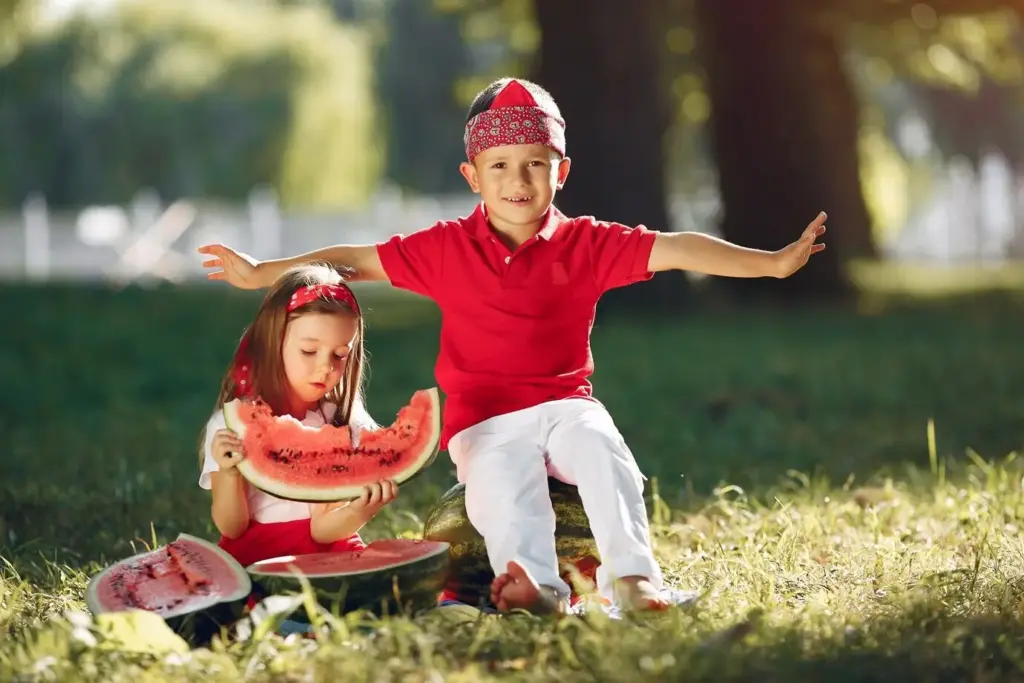
Remember the first scraped knee that turned triumphant after a perfect catch, or the shout that echoed at dusk when you finally nailed the pattern? Write it down and pass it on. Personal memories anchor instructions, turning simple steps into meaningful traditions that inspire confident play and patient mentorship today.

Neighborhood Leagues and Friendly Challenges

Start a weekly meet-up with flexible rules and rotating hosts. Keep scores lightly, celebrate effort loudly, and take photos that capture the spirit rather than the scoreboard. Post schedules, invite newcomers, and encourage kids to teach adults their favorites. Friendly consistency builds community trust, pride, and healthy routines that stick.
Milizofizuvomezoxupu
Privacy Overview

This website uses cookies so that we can provide you with the best user experience possible. Cookie information is stored in your browser and performs functions such as recognising you when you return to our website and helping our team to understand which sections of the website you find most interesting and useful.