
Streets That Invite Play
Let’s dive into how urban design and public-space policies shape neighborhood street games, from hopscotch grids and sidewalk chalk art to stickball, four square, and curbside soccer. We’ll connect curb geometry, traffic rules, lighting, and community permits with lived experience, showing how small choices create big invitations. Share your block’s story, drop photos, and tell us which interventions worked, which stalled, and which surprised you most, so together we can nurture playful streets that welcome everyone.
Sidewalks, Stoops, and the Spark of Spontaneous Play
{{SECTION_SUBTITLE}}
Width, Sightlines, and the Courage to Start
Children read space faster than adults: a clear line of sight, a shoulder of extra pavement, and a predictable curb tell them they are safe to try. We examine setbacks, corner visibility, and tree placement that reduce hesitation and embolden playful first steps.
Traffic Calming that Turns a Lane into a Playground
Raised crossings, chicanes, planter pinch-points, and twenty-mile limits do more than slow cars; they signal priority and extend a child’s sense of territory. We detail patterns that convert a through-route into a shared place where balls roll, chalk endures, and neighbors exhale.
Temporary Closures, Lasting Traditions
A single afternoon closure can seed a decade of memories. We explore resident-led petitions, data-backed requests, and low-cost equipment libraries. Examples show how recurring schedules build rituals, pull grandparents to sidewalks, and transform cautious trial runs into beloved neighborhood traditions.
Noise Rules, Trust, and Negotiating Good Neighbors
Quiet hours and decibel limits can coexist with kickball if neighbors trust the process. We unpack mediation practices, contact trees, and conflict scripts that defuse tension. Share how your block balances nap times with tournaments without silencing spontaneous joy or excluding families.
Equity, Language Access, and Removing Hidden Barriers
Fair play needs fair access. We highlight fee waivers, translation support, and outreach to tenants, not just homeowners. By removing hidden paperwork hurdles, cities expand participation, diversify leadership, and ensure that permits do not privilege the loudest voices over the youngest players.
Safety, Care, and the Freedom to Improvise
Safety emerges from care, not constant suspicion. Lighting, well-marked crossings, consistent speeds, and familiar faces unlock improvisation without fear. Over-policing can extinguish healthy bustle; under-attention can invite hazards. We compare stewardship models, from neighbor stewards and youth marshals to maintenance crews and crossing guards, showing how a spectrum of gentle supports nurtures independence. Join the conversation with examples where protection felt like empowerment, and where it slid into control, so we can calibrate with humility.
Lighting that Extends Dusk Games Safely
Warm, even lighting extends twilight games while respecting the night sky. We discuss color temperature, pole spacing, and avoiding glare that blinds drivers or players. Case notes show how upgrading fixtures, not intensity, can increase comfort, visibility, and participation after dinner.
Eyes on the Street without Fear
Jane Jacobs described the magic of everyday witnesses. We translate that into practices: window-facing seating, small businesses with street views, and resident greeters during closures. These gentle eyes support autonomy, discourage recklessness, and help parents relax without turning the block into surveillance.
Balanced Enforcement that Champions Play
Tickets cannot teach teamwork. We outline proportionate responses, clear expectations, and escalation paths that keep play central. When officials coach instead of punish, kids learn boundaries, elders feel respected, and the street remains a classroom where resilience grows alongside laughter.

Materials, Markings, and Everyday Infrastructure
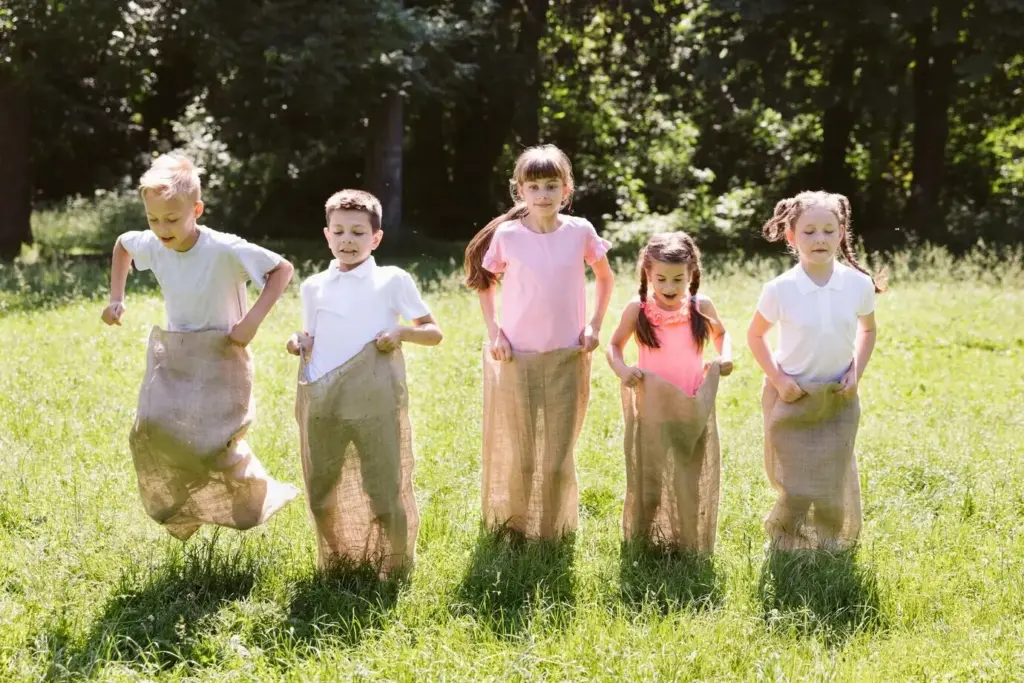
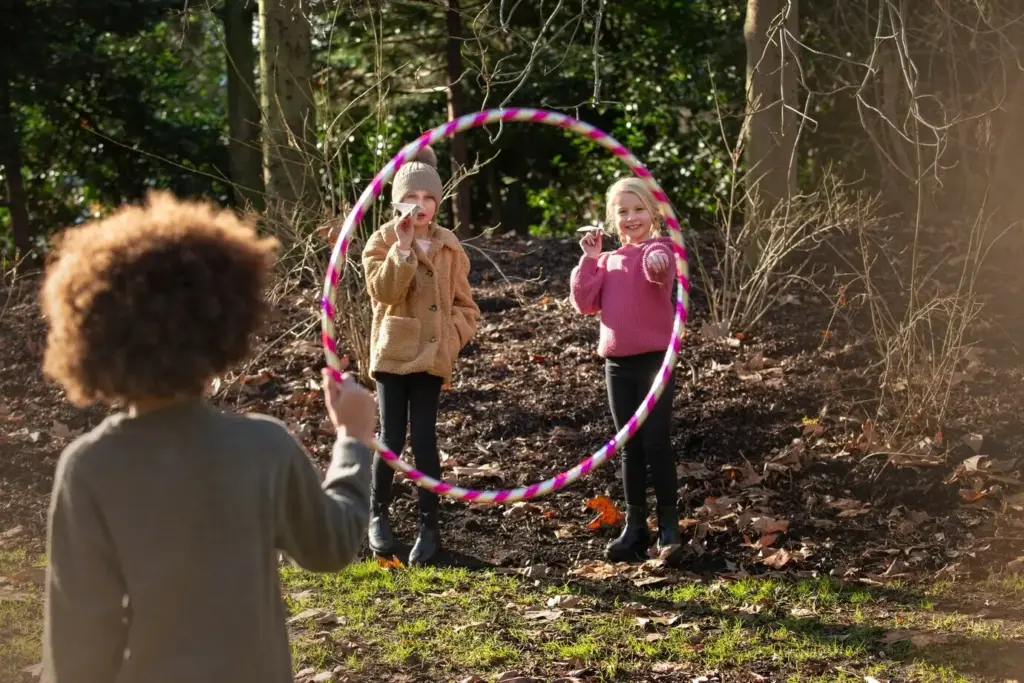
The texture of asphalt, the friendliness of concrete to chalk, and the presence of flexible furniture all shape which games flourish. Painted grids invite four square; bollards become goalposts; planters protect play. We examine low-cost materials, maintenance cycles, and co-designed markings that adapt with seasons and age groups. Send photos of clever hacks—from milk crates as hoops to stroller-parking zones—that made a tiny detail the hero of your block's daily imagination.
Stories from Around the World
Across cities, playful streets emerged when design and policy aligned. In Brooklyn, Open Streets revived stickball; in Barcelona, superblocks let hopscotch reclaim intersections; in Mumbai, gully cricket negotiates traffic with local stewards. These stories show how small, consistent permissions and place-sensitive design unlock resilient cultures of play. Add your own neighborhood example and tag a friend who remembers a local game, so our collective archive grows practical, diverse, and joyfully contagious.
A Play-First Action Toolkit
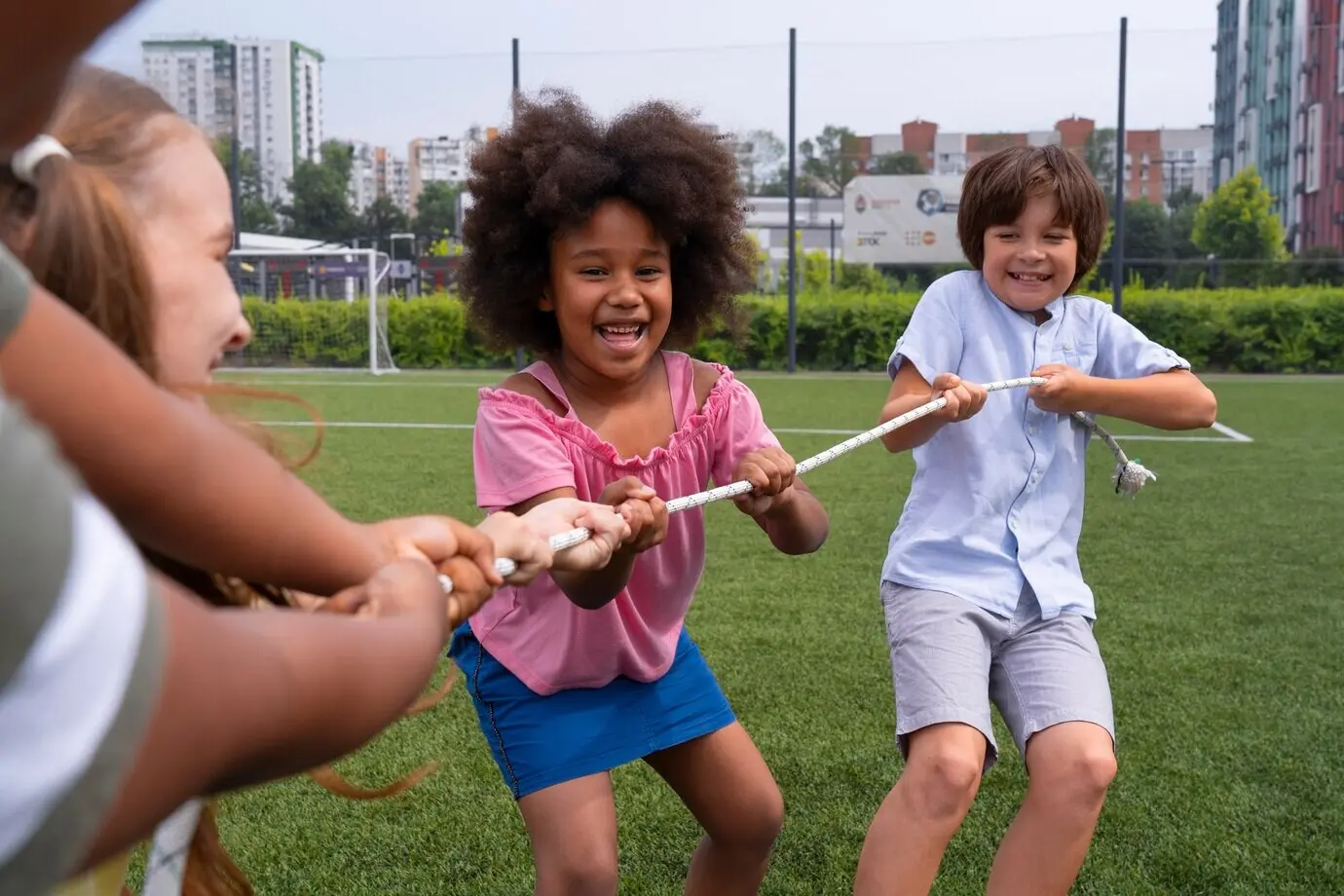
Turn intention into action with steps sized for neighbors, designers, and officials. We outline quick wins, deeper pilots, and evaluation tools that center joy. Use this play-first lens to inspire meetings, grant proposals, and weekend experiments. Post your results, subscribe for updates, and invite collaborators so the next child who chalks a square finds encouragement, gentle boundaries, and a street ready to celebrate their courage.

Design Moves You Can Try This Month
Start with a map of desire lines and hazards, then add cones, chalk, and simple signage. Borrow folding chairs, recruit watchers, and photograph before-and-after. Small upgrades like crossing butterflies, portable planters, or borrowed barricades can safely test big ideas quickly.
Organizing Neighbors and Officials for a One-Day Trial
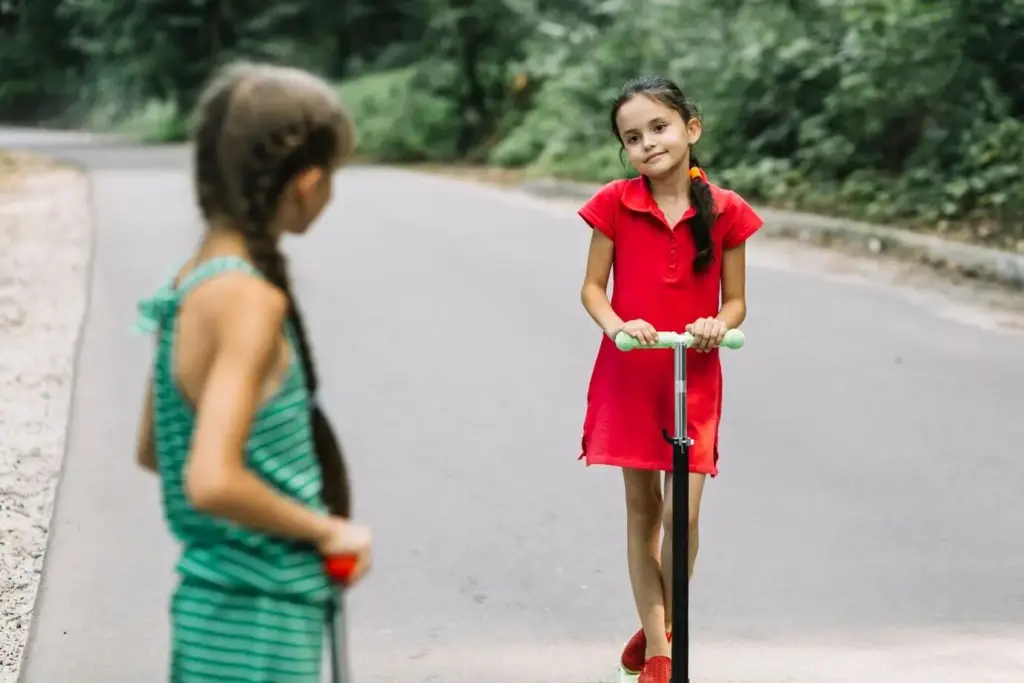
Knock on doors with an invitation, not a demand. Identify champions, skeptics, and night-shift workers early. Pair a one-day closure with a cleanup or potluck. Clear roles for marshals, timekeepers, and sweepers build trust and demonstrate care alongside celebration.