


Chasing, Hopping, and Rolling Through Cultures

Join us as we explore regional variations of tag, hopscotch, and marbles around the world, tracing how simple rules become vibrant traditions. From dusty lanes to seaside promenades, each version reveals creativity, community values, and childhood courage. Discover playful histories, inventive tools, and heartfelt memories that continue to unite generations across borders through shared laughter, quick thinking, and friendly competition.

Paths of Play: How Childhood Games Traveled and Transformed

Simple games migrate like folk songs, adapting to new languages, streets, and schoolyards with every retelling. Trade routes, migration, and classrooms helped tag, hopscotch, and marbles evolve, picking up new gestures, chants, and strategies. What began as casual pastimes became living archives of community identity, reminding us that movement, fairness, and fun can carry deeper meanings across centuries and continents without losing their spark.

Tag Across Borders: Chase Games with Local Flavor

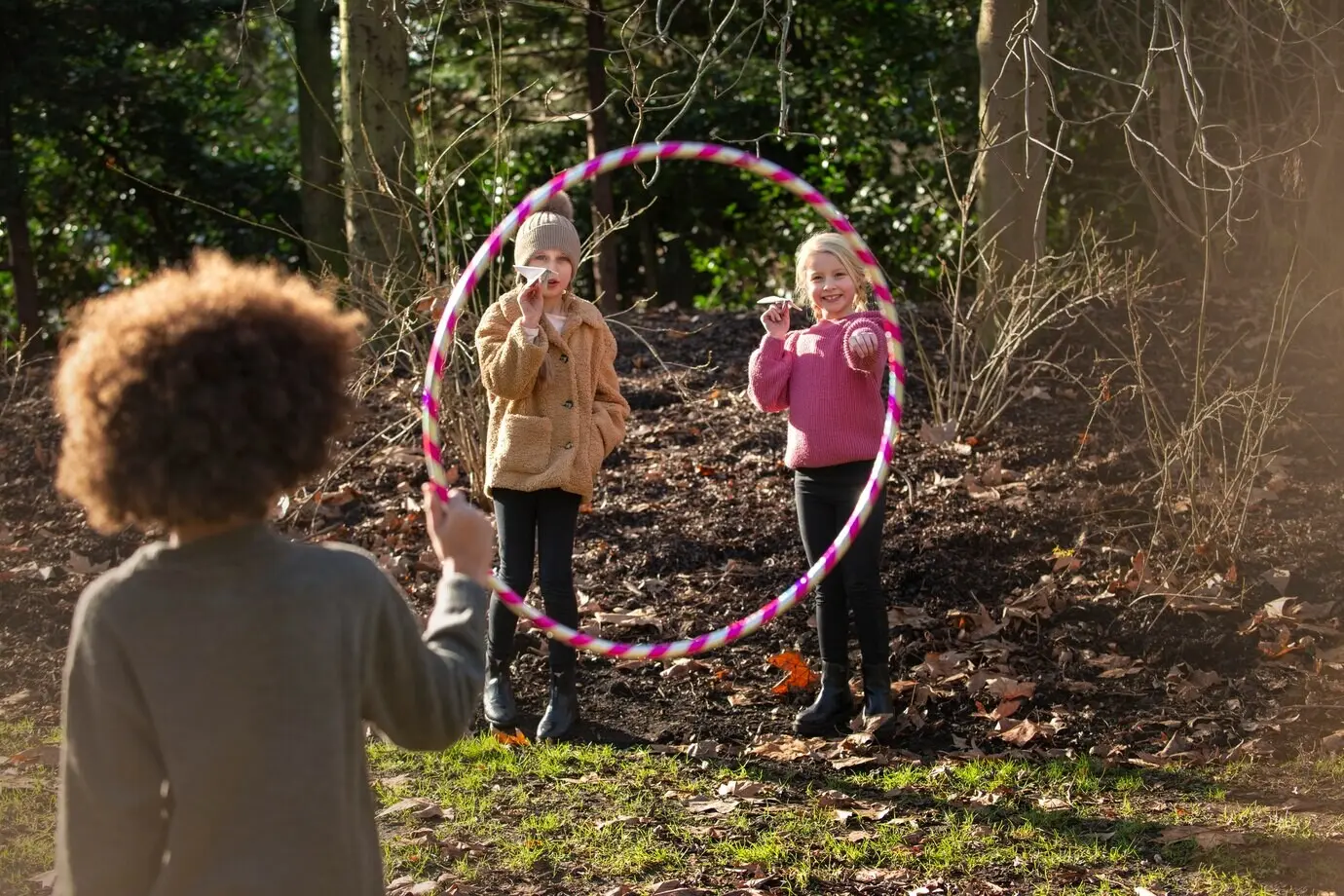
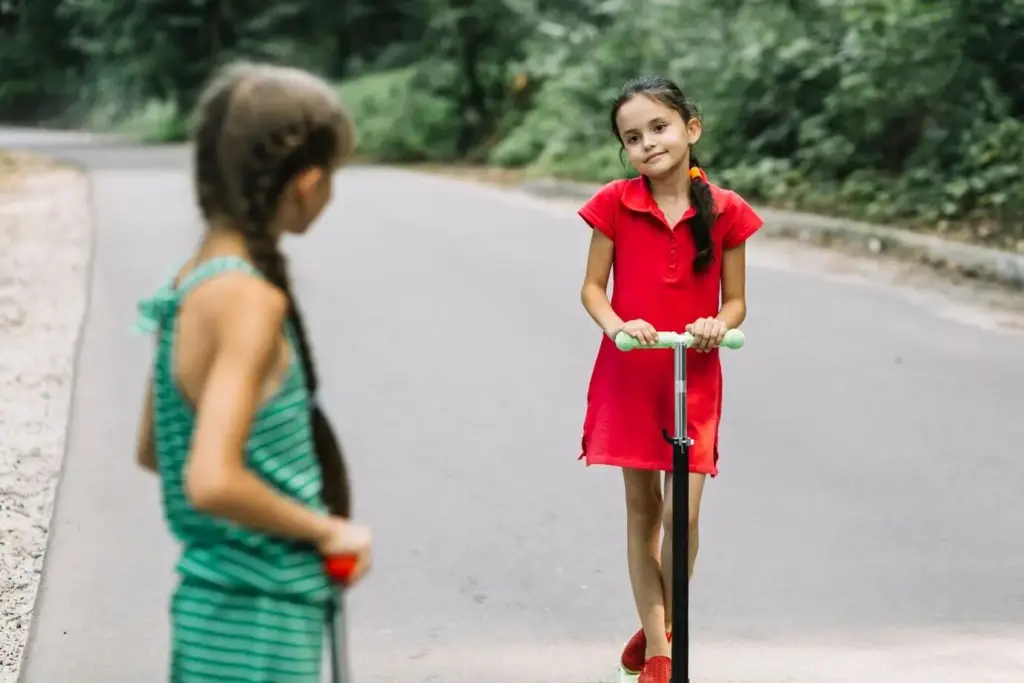
Every place adds something to the chase: a melody, a safe base, a burst of daring, or a breath-held dash home. Some versions emphasize teamwork and chains; others spotlight agility, feints, and sudden freezes. Whether on grass, packed earth, or polished tiles, players negotiate fairness, courage, and speed. The heart stays constant—quick feet, quicker decisions, and laughter erupting at the moment of a gentle touch.

Hopscotch Reimagined: Grids, Snails, and Skies

A few chalk strokes open gateways to imagined journeys. Some patterns stretch like ladders toward heaven, others coil like snails demanding patience and precision. Tossed markers become tiny companions guiding balance, learning, and grit. Children rename squares, add challenges, and invent rituals for switching feet or pausing mid-hop. Through playful geometry, hopscotch teaches rhythm, risk, and recovery, all while transforming sidewalks into galleries of ephemeral art.

Ringer Rivalries and Alley Accuracy

Players crouch, steady hands, and pick targets along a circle’s edge, dreaming of that clean strike that scatters rivals while keeping the shooter safe inside. Elders teach techniques: knuckle bracing, fingertip release, and follow-through. The best learn to read micro-slopes and tiny pebbles, adapting angles on instinct. Win or lose, etiquette matters—eye-level handshakes, friendly recounts of brilliant turns, and promises for rematches on a sunnier afternoon.

Kancha Pride and Market Colors

Across many South Asian streets, marbles—often called kancha—shine like pocket treasures. Children compare swirls, debate fair stakes, and polish shooters on shirt sleeves before a decisive flick. A lucky marble earns a nickname and near-mythic status, carried carefully from alley to alley. Local markets shape styles, textures, and sizes, proving how small purchases can spark big skills, proud stories, and communities built around respectful, spirited competition.

Stones, Clay, and Glass in the Mediterranean Breeze

Coastal towns improvise with what the shore and market offer: smooth pebbles, fired clay, or shop-bought glass. Afternoon winds nudge tactics, encouraging lower arcs and faster releases. Matches pause for greetings, resume with laughter, and end with shared snacks. The materials matter, but the rituals matter more—measuring, calling lines, and celebrating deft recoveries—turning a casual contest into an everyday festival of patience, precision, and neighborly warmth.

Dust, Tile, and Asphalt Decide Tactics

On dust, runners cut looser arcs and marble shooters account for tiny ridges. Tile prefers gentler hops and careful toe placements, while asphalt favors confident sprints and longer slides. Players learn to read surfaces like maps, predicting slips before they happen. These micro-decisions nurture awareness and respect for others’ pace, making room for mixed ages, mixed abilities, and a shared feeling that the ground itself is part coach.

Chalk, Charcoal, and Bottle Caps as Tools

When supplies are scarce, ingenuity leads. A charred stick replaces chalk, twine becomes a boundary, and bottle caps stand in for markers or marbles. The tools are humble, yet the creativity is expansive, inviting everyone to contribute an idea or object. Ownership grows when hands build the court together, and the resulting rules reflect collaboration—clear, forgiving, and adaptable, encouraging newcomers to join without hesitation or fear of failure.

Language, Gesture, and Local Etiquette

Words and gestures keep play fair, funny, and welcoming. Counting-out rhymes choose starters without grudges; hand signals pause action to settle questions; nicknames bond rivals into friends. Many customs emphasize softer touches, inclusive teams, and clear boundaries. The etiquette lives in small choices—waiting your turn, admitting a close call, cheering a clever save—reminding everyone that good games are made of trust, not only speed or skill.

Revival, Safety, and Digital Bridges

As screens multiply, many communities rediscover the power of simple, shared movement. Revival starts with thoughtful safety—soft boundaries, gentle touches, and clear consent—and continues with inclusive invitations. Digital tools can help record variants, connect distant players, and spark friendly global challenges. When we blend careful stewardship with creative outreach, timeless games find fresh audiences, and childhood’s confident footsteps echo warmly across neighborhoods and time zones.

School Programs and Community Play Nights

Educators and volunteers can schedule an evening where grandparents demonstrate classic flicks, parents chalk grids, and children test new chants. Clear safety guidelines welcome every age and ability, while brief history notes give context. Afterward, share photos and reflections. Repeating the event creates continuity, turning a single gathering into a tradition that strengthens trust, joy, and local pride without demanding expensive gear or complicated planning.
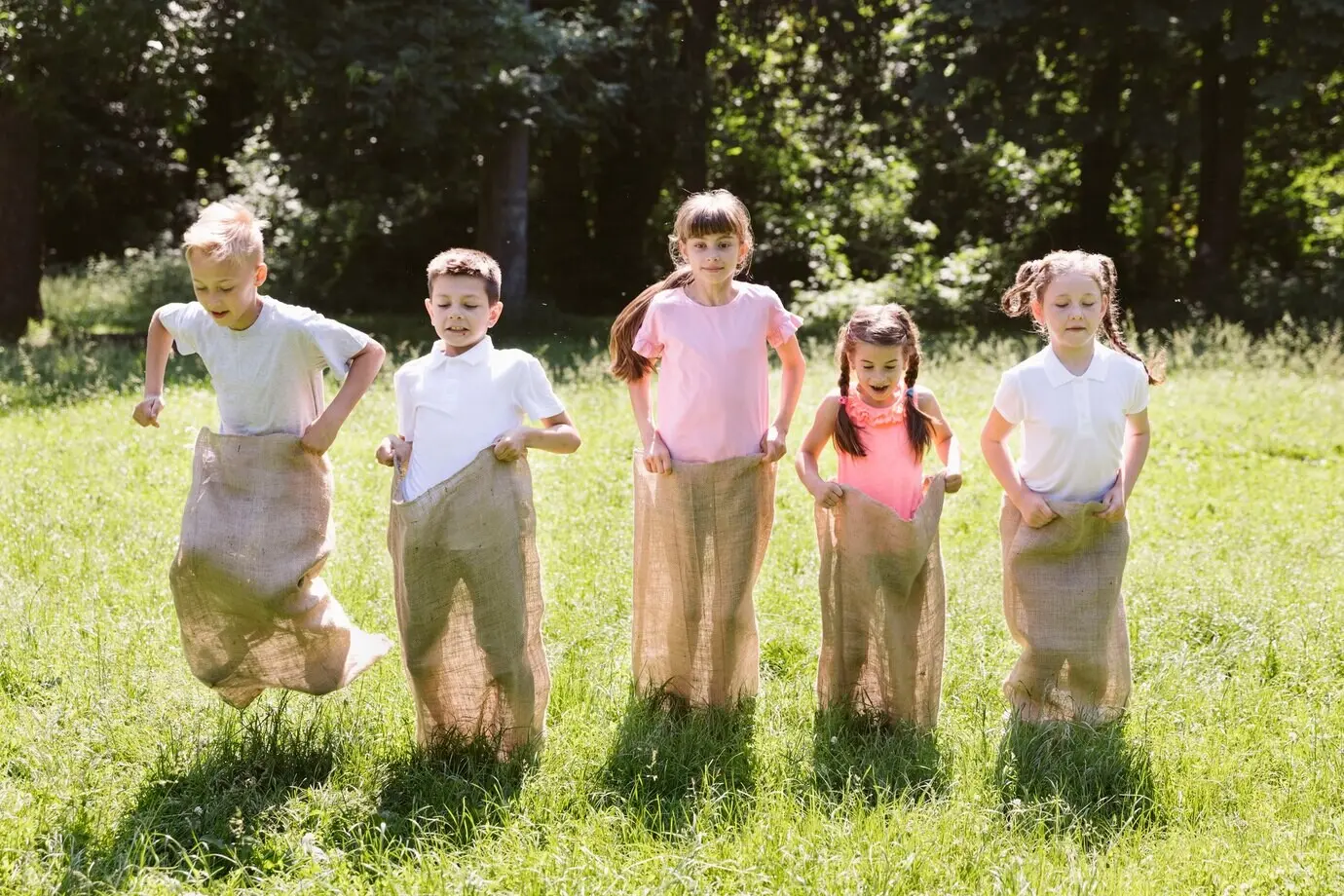
Recording Rules Before They Fade

Start a living archive: interview elders, film short demonstrations, and scan hand-drawn diagrams. Capture small details—how to hold a shooter, when to pause tag, why a rhyme starts on a particular word. Publish community-approved versions with credit and care. As collections grow, teachers, researchers, and curious kids gain access to rich, grounded knowledge, ensuring tomorrow’s players inherit more than outlines—they inherit stories and dignity.
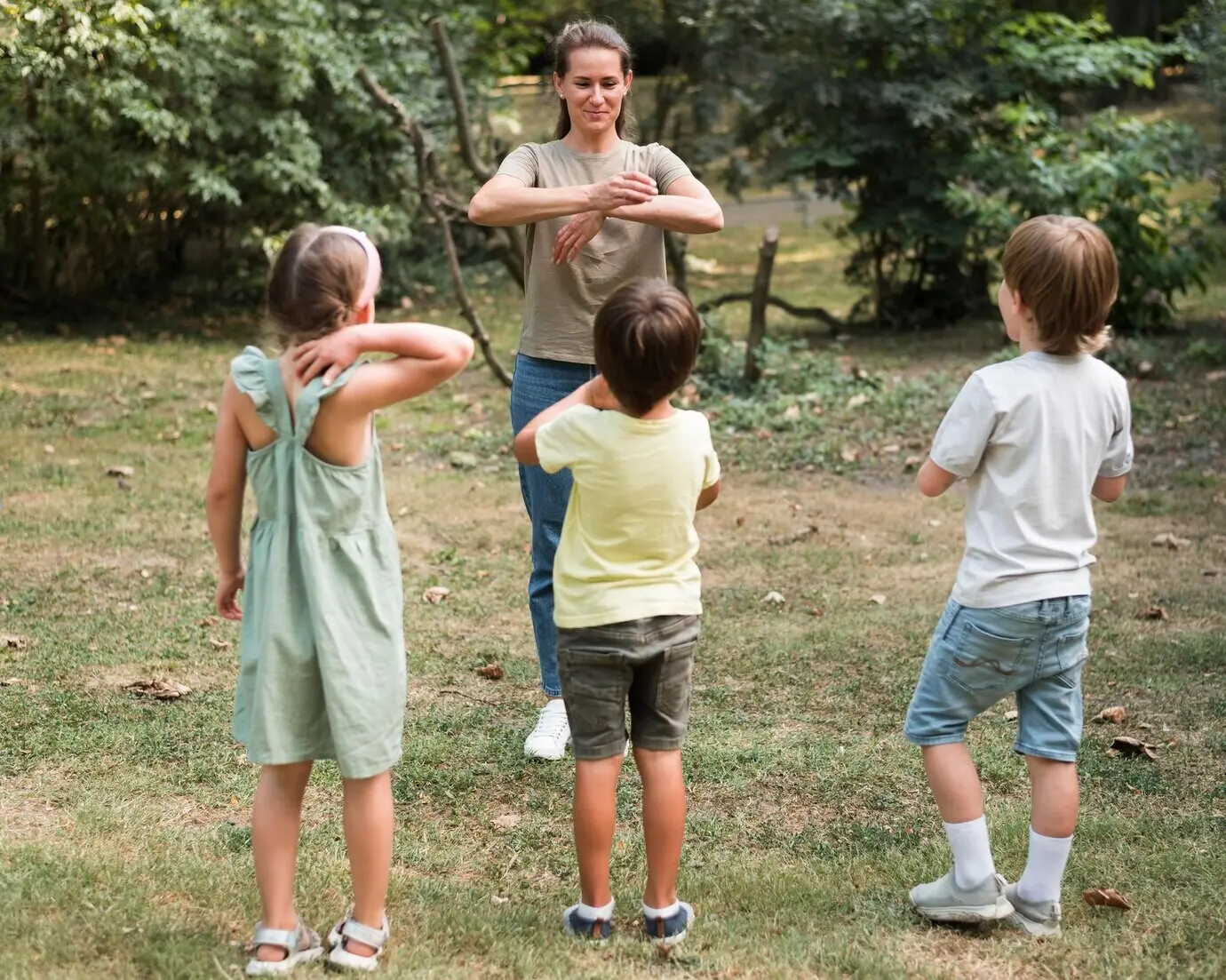
Share Your Version and Join Our Circle

We would love to learn how your street plays. Describe your favorite tag call, sketch your hopscotch pattern, or list the marbles you prize most. Post a comment, send a voice note, or join our newsletter to swap ideas. Your contribution can inspire a playground across the ocean, proving that generous storytelling, like good play, multiplies joy and turns strangers into enthusiastic teammates.

Milizofizuvomezoxupu
Privacy Overview

This website uses cookies so that we can provide you with the best user experience possible. Cookie information is stored in your browser and performs functions such as recognising you when you return to our website and helping our team to understand which sections of the website you find most interesting and useful.